

Consciousness of God
Allah-Driven-not merely Allah Aware and Allah Aligned)

Competency
Capability , insight, solution driven, Mutaqqi oriented, Principled, etc

Consultation
Shura as an Act of Ibadat, Applies wisdom, Ethics of Islamic Disagreement, etc
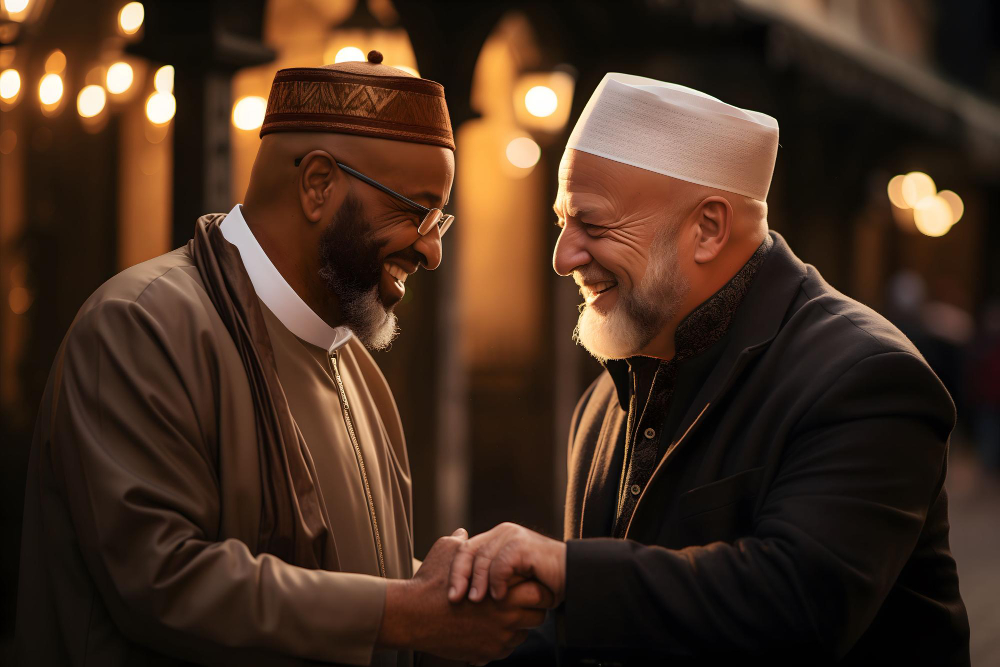
Consideration
Honouring, affirming, empathic, Ubuntu focused, Servant /Service Focused, Justice driven , is concerned with worldly matters as well as giving consideration to the Hereafter. As his concern with the success of the organisation, so too he takes care regarding the satisfaction of Allah, etc

Creativity
Using Quranic and Sunnah values to problem pose and solve challenges, able to inventively and ingeniously frame strategic and pre-figurative solutions, uses concepts of qiyas (analogical reasoning) and ijma' (consensus - ijma al-ummah - a whole community consensus. ijma al-aimmah - a consensus by religious authorities ). to legislate in the absence of rulings from the Qur'an and the Sunnah etc

Compliance
is considered as an amanah (a trust) and a responsibility. A leader is required to meet his obligations to God, Alah swA, the Supreme Power, as well as to discharge his duties towards the people (Makhluq) or his followers to the best of his abilities. This implies commitment to the needs and wants of the Ummah, in the employ of and pleasure of Allah SWT

Credibility
of governance which the Holy Quran describes good governance as the law of justice, a just and principled order and compliance of rights and responsibilities in a society.

Contextual
modelling of Tawhid (Unity), Ihtiram (Respect), Ikhlas (Sincerity), Iqtisad (Moderation/ Humility), Haya' (Modesty), 'Ilm (Pursuit of Knowledge), Dhikr (Remembrance , Mutaqqi behaviour , etc

Constancy
with the Islamic code of conduct including kindness (to people and animals), charity, forgiveness, honesty, patience, justice, respecting parents and elders, keeping promises, and controlling one's anger, etc.

Code
awareness of Islamic behaviour and actions when arriving at a ruling, which the Quran and the Sharia regulates and puts them into five categories: obligatory, recommended, permitted, disliked or forbidden.

Communication and Alignment
reminding everyone of the shared vision , awakening the "spiritual heart" , enabling all to act in Allah's path with Imaan Taqwa Irfaan, Ihsaan ,etc
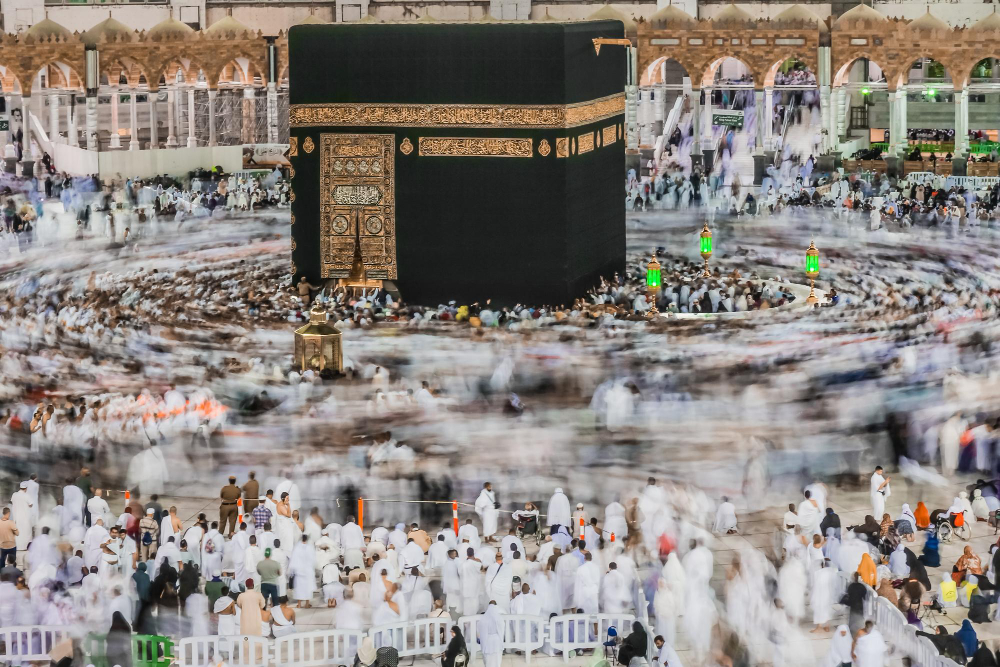
Common Purpose
is considered as an amanah (a trust) and a responsibility. A leader is required to meet his obligations to God, the Supreme Power as well as to discharge his duties towards the people (Makhluq) or his followers to the best of his abilities.

Coaching , Conflict resolution , Collaboration
The approaches, methods and principles of the Prophet include Tarbiya , Murabbi, and in resolving conflicts it includes: good intentions and relations, patience, forgiveness, brotherhood, avoidance (withdrawing), dialogue, diplomacy, reconciliation (ṣulḥ), treaties, mediation, arbitration and coercion, and focusing on distributive justice to empowering volunteers ,etc

Clear
Expectations, are spelt out for clarity of focus and buy in
Consequences and Results
Allah reminds Muslims in the Noble Quran (21:73) : Ayah al-Anbiya` (The Prophets) 21:73. We ˹also˺ made them leaders, guiding by Our command, and inspired them to do good deeds, establish prayer, and pay alms-tax. And they were devoted to Our worship. We made them leaders guiding others by Our command. Thus with consequence management , if leaders have failed Allah swA and the Ummah , with Servant - leadership and Guardian - leadership they are obliged to leave their responsibilities .